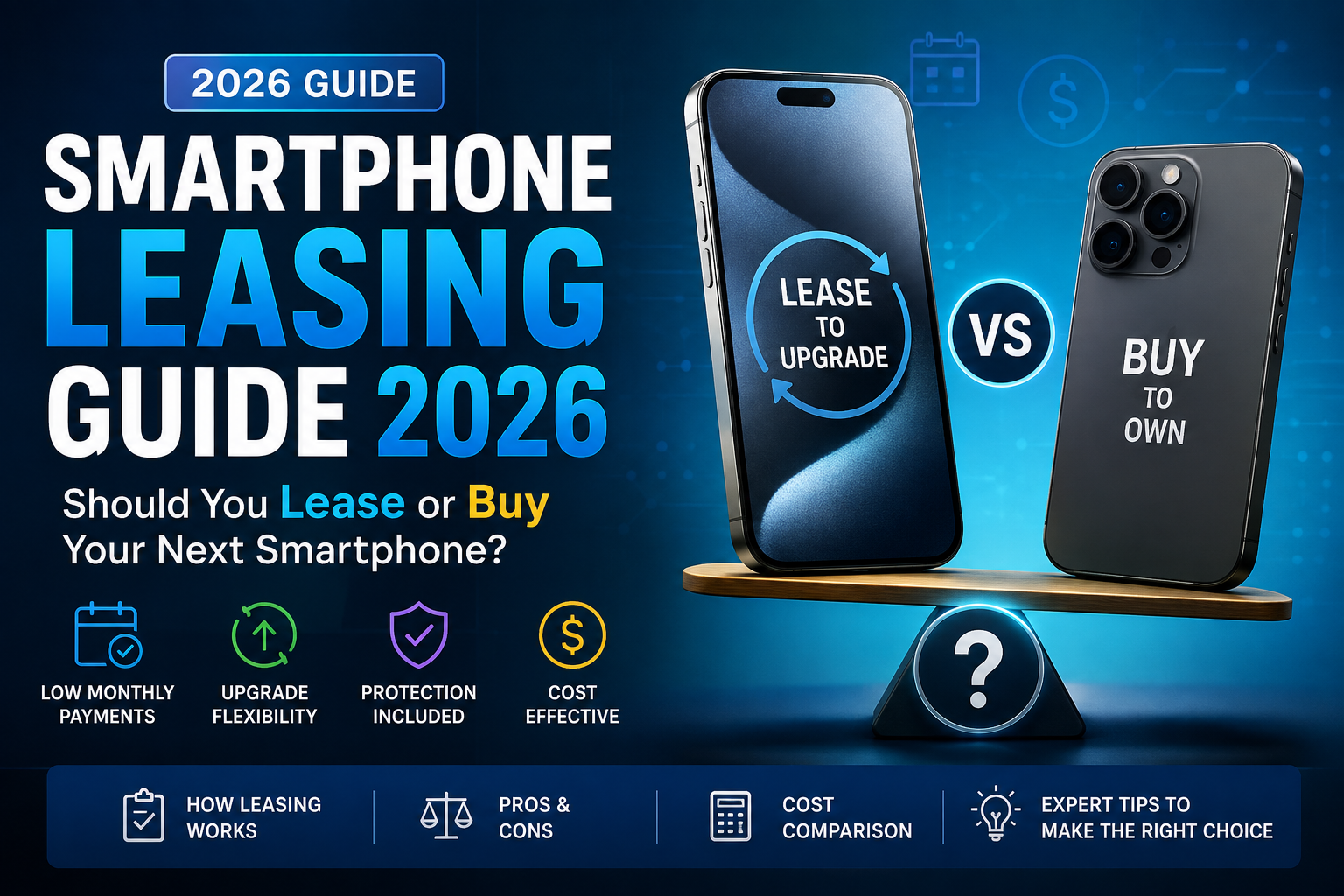

Smartphone Leasing Explained (2026): Should You Lease or Buy Your Next Smartphone?
The smartphone market has changed dramatically over the last decade. Purchasing a new device every two or three years was once the standard approach, but rising prices, longer-lasting hardware, and smartphone leasing Explained, new payment models have reshaped how consmartphone leasing technology works.
Today’s premium smartphones often cost as much as a high-quality laptop. While many buyers still prefer paying upfront or financing through monthly installments, another option has steadily gained attention: smartphone leasing.
Instead of owning the device immediately, leasing allows consumers to use a smartphone for a fixed monthly payment while keeping the flexibility to upgrade more frequently. Some manufacturers also combine leasing with subscription-style services, creating a more predictable and convenient ownership experience.
But is leasing actually the smarter financial decision? Does it save money? Who benefits the most? And what should buyers understand before signing up?
This comprehensive guide explores how smartphone leasing works, its advantages and disadvantages, and the factors every buyer should consider before making a decision.
Understanding Today’s Smartphone Market
The smartphone industry has matured considerably. Years ago, each new generation introduced groundbreaking improvements. Annual upgrades often delivered noticeably better cameras, faster processors, and significantly improved battery life.
Today, innovation continues, but the improvements are generally more incremental.
Modern smartphones already offer:
- Professional-quality cameras
- Fast processors
- Advanced AI features
- Long battery life
- Water resistance
- High-refresh-rate displays
- Excellent security
- Years of software updates
Because devices remain useful for longer, consumers now keep their smartphones for extended periods. At the same time, flagship prices continue to increase, making alternative purchasing models more attractive.
Why Smartphone Prices Keep Rising
Many people wonder why flagship smartphones now cost hundreds—or even thousands—of dollars.
Several factors contribute to higher prices.
Advanced Components
Modern smartphones include technologies that were once reserved for professional equipment:
- AI processors
- Multiple camera sensors
- Premium OLED displays
- Satellite communication capabilities
- Advanced wireless connectivity
- High-speed storage
These components significantly increase manufacturing costs.
Longer Software Support
Manufacturers now provide software updates for many years.
Long-term support requires continuous engineering resources, security testing, compatibility improvements, and feature development.
While this improves customer value, it also contributes to overall device costs.
Research and Development
Companies invest billions into developing:
- New processors
- AI features
- Camera systems
- Battery technologies
- Foldable displays
- Health sensors
- Security improvements
Research expenses are reflected in retail pricing.
Inflation and Supply Chains
Global manufacturing costs have increased due to:
- Component shortages
- Higher labour costs
- Shipping expenses
- Currency fluctuations
- Material costs
Although supply chains have stabilised compared with previous years, manufacturing premium electronics remains expensive.
The Evolution of Smartphone Ownership
Consumers now have more choices than ever.
Instead of simply purchasing a phone outright, today’s options include:
| Ownership Model | How It Works |
|---|---|
| Buy Outright | Pay the full price and own the device immediately |
| Installment Financing | Monthly payments until ownership transfers |
| Carrier Financing | Payments tied to a mobile carrier |
| Smartphone Leasing | Pay monthly to use the device, often with upgrade options. |
| Subscription Programs | Bundle hardware, upgrades, support, and services. |
Each model appeals to different financial situations and usage habits.
What Is Smartphone Leasing?
Smartphone leasing is similar to leasing a vehicle.
Instead of paying the entire purchase price, you pay a monthly fee to use the device over a specified period.
At the end of the lease, you typically have several options:
- Upgrade to a newer smartphone
- Purchase the existing device
- Return the phone
- Begin another lease
The exact options depend on the provider and agreement.
Unlike traditional financing, leasing does not always result in ownership.
How Smartphone Leasing Works
Although programmes vary, most follow a similar process.
Step 1: Choose a Smartphone
Consumers select a qualifying smartphone.
Typically available options include:
- Premium flagship phones
- High-end models
- Selected mid-range devices
Step 2: Agree to Monthly Payments
Instead of paying the full retail price, users make monthly payments over an agreed term.
These payments often cover:
- Device usage
- Upgrade eligibility
- Administrative costs
- Optional protection services
Step 3: Use the Device
The customer uses the smartphone normally during the lease period.
However, agreements may contain conditions regarding:
- Physical damage
- Water damage
- Lost devices
- Excessive wear
- Unauthorised modifications
Step 4: End of Lease
When the lease ends, customers generally choose among several paths.
Upgrade
Many programmes allow upgrading to a newer eligible smartphone.
Purchase
Some leases let users buy the current phone by paying the remaining value.
Return
Users may simply return the device if they no longer need it.
Renew
Some programmes continue with another leased smartphone.
Leasing vs Buying a Smartphone
Many consumers struggle with this decision.
Both options have strengths and weaknesses.
| Feature | Buying | Leasing |
|---|---|---|
| Ownership | Immediate or after financing | Usually no immediate ownership |
| Monthly Cost | Higher if financed | Often lower |
| Upgrade Flexibility | Limited | Usually easier |
| Long-Term Cost | Often lower if kept several years | Maybe higher over time |
| Resale Value | The owner keeps resale value. | Typically none |
| Commitment | Flexible after ownership | Subject to lease terms |
The better choice depends on individual priorities rather than a universally “best” option.
Why Smartphone Leasing Has Become More Popular
Several market trends explain the growing interest.
Consumers Want Predictable Payments
Instead of making a large one-time purchase, many households prefer fixed monthly expenses.
This makes budgeting easier.
Technology Changes Quickly
Even though annual improvements are smaller than before, many people enjoy having the latest:
- Cameras
- AI features
- Displays
- Battery improvements
- Connectivity upgrades
Leasing can simplify frequent upgrades.
Higher Device Prices
As flagship prices rise, leasing lowers the immediate financial barrier.
Consumers gain access to premium devices without paying the entire purchase price upfront.
Subscription Economy
Many industries now offer subscriptions instead of ownership.
Examples include:
- Music streaming
- Video streaming
- Cloud storage
- Software
- Fitness memberships
Smartphone leasing fits naturally into this broader trend toward recurring services.
Who Typically Chooses Smartphone Leasing?
Leasing is not designed for everyone.
Different users have different priorities.
Technology Enthusiasts
People who enjoy using the newest smartphone every year often appreciate leasing because it reduces the hassle of selling an old device before upgrading.
Business Professionals
Some professionals rely heavily on mobile technology.
Regular upgrades may provide:
- Better productivity
- Improved security
- Enhanced communication
- Faster performance
For those who depend on their phones for work, predictable upgrade cycles can be appealing.
Budget-Conscious Monthly Planners
Not everyone wants to spend a large amount at once.
Monthly payments can make premium smartphones feel more accessible, even if the total cost over time may be higher.
Families Managing Multiple Devices
Households with several smartphones sometimes prefer spreading expenses across monthly payments rather than replacing multiple devices simultaneously.
When Buying Still Makes More Sense
Leasing is convenient, but ownership remains attractive for many consumers.
Buying often makes sense if you:
- Keep smartphones four years or longer
- Prefer complete ownership
- Want resale value
- Avoid recurring commitments
- Use protective cases and maintain devices carefully
Long-term owners frequently get more value from purchasing rather than leasing.
Smartphone Leasing Is More Than Just Monthly Payments
One common misconception is that leasing is simply financing with a different name.
In reality, leasing often combines several services into one experience.
Depending on the provider, monthly payments may include features such as:
- Upgrade eligibility
- Device replacement options
- Priority support
- Trade-in convenience
- Maintenance programmes
- Optional insurance
These added services contribute to the overall value proposition for some users, even if the total cost may exceed outright ownership.
Common Misunderstandings About Smartphone Leasing
Many first-time users have incorrect assumptions.
“I Automatically Own the Phone”
Not necessarily.
Some leases end with the device being returned unless an additional purchase option is exercised.
“Leasing Is Always Cheaper”
Monthly payments may appear lower, but long-term costs can sometimes exceed buying the device outright—especially if you continue leasing new models over many years.
“I Can Ignore Device Condition”
Most lease agreements expect reasonable care.
Excessive damage may lead to additional charges depending on the provider’s policies.
“Every Leasing Program Is the Same”
Different manufacturers, carriers, retailers, and financial institutions offer different terms, upgrade schedules, fees, and end-of-lease options.
Reading the agreement carefully is essential.
Questions to Ask Before Leasing a Smartphone
Before signing any agreement, consider the following:
- How long is the lease?
- Can you upgrade early?
- Is insurance required?
- What happens if the phone is damaged?
- Are there cancellation fees?
- Can you purchase the phone later?
- What is included in the monthly payment?
- Are accessories included?
- Does the lease include technical support?
- What happens if you switch carriers?
Answering these questions helps avoid surprises later.
Trends Shaping Smartphone Leasing in 2026
Several developments are influencing how consumers think about smartphone ownership.
AI-Powered Smartphones
Artificial intelligence has become a central selling point. Many users are interested in accessing the latest AI-powered features without waiting several years to upgrade, making flexible ownership models more appealing.
Longer Device Lifespans
Today’s smartphones remain capable for much longer than previous generations. Better processors, efficient batteries, and extended software support allow devices to stay relevant for years, giving consumers more flexibility in deciding whether to lease or buy.
Sustainability Focus
Consumers and manufacturers are paying greater attention to reducing electronic waste. Leasing programmes can support refurbishment, certified pre-owned sales, and responsible recyclinprogrammesng devices remain in use for longer instead of being discarded.
The Biggest Benefits of Smartphone Leasing
Leasing isn’t simply about paying less each month. For many people, it offers flexibility and convenience that traditional purchasing methods don’t.
Let’s examine the major benefits.
1. Lower Upfront Cost
One of the biggest reasons consumers choose leasing is affordability.
Buying a premium smartphone outright may require paying hundreds or even thousands of dollars at once. Leasing typically spreads those costs into predictable monthly payments.
This makes flagship devices more accessible to people who prefer preserving their cash flow.
Example
Instead of paying a large amount today, you pay manageable monthly installments while using the device immediately.
This approach can be particularly attractive for:
- Students
- Young professionals
- Small business owners
- Families purchasing multiple smartphones
2. Easier Access to New Technology
Technology evolves continuously.
While today’s smartphones already offer impressive performance, manufacturers still introduce improvements such as:
- Better AI features
- Improved cameras
- Faster processors
- Longer battery life
- Enhanced displays
- New connectivity standards
Leasing often makes upgrading easier without needing to sell your current device first.
For users who enjoy having the newest technology, this convenience is one of leasing’s strongest advantages.
3. Predictable Monthly Budget
Many consumers prefer knowing exactly how much they’ll spend every month.
Instead of unexpected repair costs or saving for a future purchase, leasing often creates a consistent monthly expense.
Budget-conscious households appreciate this predictability because it simplifies financial planning.
4. Reduced Hassle When Upgrading
Selling an old smartphone can take time.
Owners often need to:
- Photograph the device
- Create listings
- Negotiate with buyers
- Meet strangers
- Ship packages
- Handle payment concerns
Leasing frequently removes this process.
At the end of the agreement, eligible customers may simply return the current device and move into a newer model.
5. Access to Premium Smartphones
Without leasing, some consumers might choose lower-priced devices because flagship phones exceed their immediate budget.
Leasing allows users to experience premium features such as:
- Professional-grade cameras
- Faster processors
- Larger storage options
- Premium materials
- Better displays
- Advanced AI capabilities
For many buyers, monthly affordability outweighs the desire for immediate ownership.
6. Simplified Technology Management
Some leasing programmes bundle additional services that may include:
- Device protection
- Technical support
- Upgrade eligibility
- Replacement options
- Cloud services
- Trade-in assistance
Having these services managed together creates a smoother ownership experience.
7. Better Cash Flow
Business owners often prioritise cash flow over outright ownership.
Rather than investing a large amount in multiple employee smartphones, predictable monthly payments can help preserve working capital.
This approach may also simplify budgeting for growing organisations.
Potential Drawbacks of Smartphone Leasing
While leasing offers flexibility, it isn’t the best solution for everyone.
Understanding the disadvantages is equally important.
1. You May Never Own the Smartphone
The most significant difference between leasing and buying is ownership.
When you purchase a smartphone, it eventually becomes your property.
With leasing, ownership often remains with the provider unless you choose to buy the device at the end of the lease.
If your goal is long-term ownership, buying usually makes more sense.
2. Higher Long-Term Cost
Monthly payments may seem inexpensive.
However, repeatedly leasing new smartphones over many years can cost more than purchasing and keeping a device for several years.
For example:
- Lease one phone
- Upgrade after two years
- Lease another
- Upgrade again
After several upgrade cycles, the total spending may exceed the cost of owning fewer devices for longer periods.
3. Damage Can Become Expensive
Normal wear is expected.
However, significant damage may result in additional charges.
Potential issues include:
- Cracked screens
- Broken cameras
- Water damage
- Bent frames
- Missing components
Consumers should understand what qualifies as acceptable wear before signing a lease agreement.
4. Limited Customisation
Because leased smartphones may eventually be returned, some providers discourage permanent modifications.
Examples include:
- Internal hardware changes
- Unauthorised repairs
- Certain cosmetic alterations
Users who enjoy modifying their devices may find ownership more appealing.
5. Contract Obligations
Leases generally involve agreements lasting several months or years.
Ending the lease early may include:
- Early termination fees
- Remaining payment obligations
- Return requirements
Reading the terms carefully helps avoid unexpected costs.
6. No Resale Value
When you own a smartphone, you can often recover part of your investment by selling or trading it.
With leasing, that resale opportunity usually doesn’t exist because the device isn’t yours.
Leasing vs Financing: What’s the Difference?
Many consumers confuse these two options.
Although both involve monthly payments, they work differently.
| Feature | Smartphone Leasing | Smartphone Financing |
|---|---|---|
| Ownership | Usually remains with the provider | Transfers to buyer after payments |
| Upgrade | Often easier | Depends on payoff |
| Monthly Payment | May be lower | Often slightly higher |
| Resale Value | Usually none | The owner keeps resale value. |
| End of Agreement | Return, renew, or purchase. | Full ownership |
Financing focuses on eventual ownership.
Leasing focuses on flexibility.
Leasing vs Buying Outright
Buying remains the simplest ownership model.
Advantages of Buying
- Full ownership
- No monthly obligation
- Freedom to sell anytime
- Lower long-term cost
- No lease restrictions
Disadvantages
- Large upfront payment
- Greater financial commitment
- Harder to upgrade frequently
Total Cost Comparison
Let’s use a simplified example.
Note: The figures below are hypothetical and intended only to illustrate how different ownership models may affect long-term costs.
| Scenario | Initial Payment | Monthly Cost | Ownership |
|---|---|---|---|
| Buy Outright | High | None | Yes. |
| Finance | Low | Moderate | Yes. |
| Lease | Very Low | Lower | Usually no. |
Over two years, leasing may appear less expensive month-to-month.
Over six to eight years, repeatedly leasing multiple devices could exceed the cost of purchasing fewer smartphones outright.
The best choice depends on how often you upgrade.
Who Should Consider Leasing?
Leasing works particularly well for certain types of consumers.
Frequent Upgraders
If you replace your smartphone every year or two, leasing may reduce the hassle of selling your previous device.
Professionals Using Mobile Technology Daily
Real estate agents, consultants, sales professionals, content creators, and other mobile-first workers often appreciate access to the latest hardware.
People Who Value Convenience
Some buyers simply prefer predictable monthly payments and an easier upgrade process.
For them, convenience may outweigh long-term ownership.
Businesses Managing Fleets of Devices
Organisations providing smartphones to employees sometimes choose leasing because:
- Hardware stays current
- Costs become predictable
- Device replacement becomes simpler
Who Should Probably Buy Instead?
Buying is usually better for people who:
- Keep smartphones four years or longer
- Prefer avoiding recurring payments
- Want complete ownership
- Plan to resell the device later
- Take excellent care of their electronics
These users often achieve a lower total cost over time.
The Role of Smartphone Trade-Ins
Trade-in programmes have become an important part of the smartphone market.
Instead of selling privately, owners can exchange an eligible device for credit toward another purchase.
Benefits include:
- Faster transactions
- Less effort
- Reduced paperwork
- Lower purchase price on the next phone
However, trade-in values vary depending on:
- Device condition
- Model
- Age
- Storage capacity
- Market demand
Comparing multiple offers can help maximise value.
Environmental Considerations
Many consumers now consider sustainability when choosing technology.
Leasing programmes may support environmental goals by encouraging:
Device Refurbishment
Returned smartphones can often be inspected, repaired, and resold as certified pre-owned devices.
Recycling Programs
Components that cannot be reused may be recycled to recover valuable materials.
Longer Product Lifecycles
Rather than sitting unused in a drawer, returned devices may continue serving new owners.
Extending the useful life of electronics helps reduce unnecessary waste.
Hidden Costs to Watch For
Monthly payment isn’t always the complete picture.
Before signing any agreement, check for:
Activation fees
Some providers charge setup fees.
Insurance Requirements
Protection plans may be optional—or mandatory.
Damage Charges
Understand how accidental damage is evaluated.
Late Payment Fees
Missing payments can increase the overall cost.
Upgrade Conditions
Not every lease allows early upgrades.
Some require:
- Minimum payment periods
- Excellent device condition
- Specific return deadlines
Questions Worth Asking Before You Sign
Ask the provider:
- What happens if I lose the smartphone?
- Can I buy it later?
- Are accessories included?
- Is insurance mandatory?
- How early can I upgrade?
- What fees apply if I cancel?
- Does the monthly payment include taxes?
- What counts as “normal wear”?
- Are software support services included?
- What happens after the lease expires?
Understanding these details can prevent unpleasant surprises later.
Common Myths About Smartphone Leasing
Myth: Leasing Is Always Cheaper
Reality: Lower monthly payments don’t always translate into lower long-term costs.
Myth: Leasing Is Only for Businesses
Reality: Many programmes are available to individual consumers as well.
Myth: Leased Phones Are Lower Quality
Reality: Many leasing programmes offer the same flagship devices sold through traditional purchase options.
Myth: Buying Is Always Better
Reality: Buying is ideal for some users, while leasing offers advantages for others. The best choice depends on upgrade habits, budget, and personal priorities.
Factors That Should Influence Your Decision
When deciding whether to lease or buy, consider:
Your Upgrade Frequency
If you upgrade every year or two, leasing may fit your habits.
Your Budget
Would you rather pay more upfront or spread costs over time?
Ownership Preference
Do you enjoy owning your devices, or is using the latest technology more important?
Financial Flexibility
Would keeping more cash available today benefit your overall finances?
Device Care
If you’re careful with your electronics, ownership may provide greater long-term value.
The Future of Smartphone Leasing
The smartphone industry continues to evolve rapidly. While hardware improvements have become more gradual than they were a decade ago, the way consumers pay for and upgrade devices is changing at a much faster pace.
Leasing is expected to remain an important option because it aligns with several long-term industry trends:
- Higher flagship smartphone prices
- Longer software support
- Increased use of artificial intelligence (AI)
- Growth of subscription-based services
- Greater focus on sustainability and device recycling
Rather than replacing traditional ownership, leasing is becoming another flexible choice that fits different lifestyles and financial preferences.
How Artificial Intelligence Could Influence Smartphone Upgrades
Artificial intelligence is now one of the biggest selling points for modern smartphones.
Manufacturers continue introducing AI-powered features such as:
- Real-time language translation
- Advanced photo editing
- Intelligent writing assistance
- Smarter voice assistants
- AI-powered search
- Battery optimisation
- Personalised recommendations
- Productivity automation
As AI capabilities improve, some consumers may feel motivated to upgrade more frequently to access new features that depend on faster processors and dedicated AI hardware.
For these users, leasing can make regular upgrades easier.
The Growing Subscription Economy
Consumers are increasingly comfortable paying monthly for products and services.
Examples include:
- Video streaming
- Music streaming
- Cloud storage
- Gaming memberships
- Productivity software
- Home security services
Smartphone leasing follows this same trend by turning a large one-time purchase into a recurring monthly expense.
Some companies may continue expanding subscription packages that combine:
- Smartphone access
- Device protection
- Technical support
- Cloud storage
- Entertainment services
- Upgrade eligibility
This creates a more integrated customer experience.
Sustainability and the Circular Economy
Electronic waste has become an important global concern.
Millions of smartphones remain functional even after their original owners upgrade.
Leasing programmes can contribute to a circular economy by supporting:
Refurbishment
Returned smartphones can be professionally inspected, repaired if necessary, and sold as certified pre-owned devices.
Recycling
Components that cannot be reused may be recycled to recover valuable materials such as aluminium, copper, gold, and rare earth elements.
Longer Product Lifespans
Instead of remaining unused in drawers, smartphones can continue serving additional users.
Extending device life reduces unnecessary waste and helps maximise the value of existing resources.
Will Leasing Become More Common?
Several factors suggest leasing will remain an attractive option:
- Premium smartphones continue increasing in price.
- Consumers increasingly prefer predictable monthly expenses.
- Manufacturers offer longer software support.
- AI features encourage more frequent upgrades for some users.
- Subscription-based business models continue expanding.
However, outright ownership is unlikely to disappear. Many consumers still prefer buying devices and using them for several years.
The future will likely offer more flexibility rather than one dominant approach.
Tips for Choosing the Right Smartphone Leasing Plan
Not every leasing programme is the same.
Before signing an agreement, compare multiple providers carefully.
Compare the Total Cost
Monthly payments alone don’t tell the full story.
Calculate:
- Total payments over the lease
- Required upfront fees
- Taxes
- Insurance costs
- Upgrade charges
- End-of-lease purchase price (if available)
This provides a clearer picture of the overall expense.
Understand Upgrade Policies
Ask questions such as:
- How early can upgrades occur?
- Is there an additional fee?
- Does the phone need to be in perfect condition?
- Are all new models eligible?
These details vary between providers.
Read the Damage Policy.
Normal wear is usually acceptable.
However, clarify how the provider defines:
- Cracked displays
- Scratches
- Water damage
- Battery condition
- Missing accessories
Knowing these standards can help avoid unexpected charges.
Review Insurance Options
Some programmes include protection plans, while others offer them as optional add-ons.
Consider:
- Deductibles
- Coverage limits
- Theft protection
- Accidental damage
- Replacement timelines
Choose the level of protection that matches your usage habits.
Check End-of-Lease Options
Understand exactly what happens when the agreement ends.
Possible outcomes include:
- Returning the phone
- Purchasing it
- Upgrading
- Renewing another lease
Knowing your options in advance makes future decisions easier.
Financial Questions to Ask Yourself
Before choosing leasing or buying, consider these questions honestly.
How often do I upgrade?
If the answer is every year or two, leasing may fit your lifestyle.
Do I prefer ownership?
Some people simply enjoy knowing their devices belong to them.
If ownership matters, buying may provide greater satisfaction.
Can I comfortably afford the upfront purchase?
If paying the full price would strain your finances, financing or leasing may offer greater flexibility.
Will I keep the smartphone for several years?
Long-term users often receive more value from ownership.
Do I like selling old devices?
If the answer is no, leasing may eliminate a task you dislike.
Decision Matrix
The table below provides a quick way to compare which option may best fit different situations.
| Your Situation | Recommended Option |
|---|---|
| Upgrade every year. | Leasing |
| Keep phones for 4–6 years. | Buying |
| Want the lowest upfront expense? | Leasing |
| Want long-term value | Buying |
| Like owning technology | Buying |
| Prefer predictable monthly payments | Leasing |
| Businesses are purchasing many phones. | Leasing or Business Financing |
| Care about resale value | Buying |
Remember that these are general guidelines rather than strict rules.
Common Mistakes to Avoid
Many consumers focus only on monthly payments.
Instead, avoid these common mistakes.
Ignoring the Total Cost
Always calculate how much you’ll spend during the entire agreement.
Skipping the Fine Print
Understand:
- Upgrade rules
- Return conditions
- Cancellation policies
- Damage fees
- Insurance requirements
Reading the agreement carefully today can prevent frustration later.
Upgrading Too Frequently
New smartphones often introduce useful improvements, but not every upgrade offers meaningful value for every user.
Consider whether the new features genuinely improve your daily experience before replacing your current device.
Forgetting Accessories
If returning a leased smartphone, check whether original accessories or packaging are required.
Replacing missing items later may increase costs.
Expert Tips for Getting the Best Value
Shop During Promotional Periods
Manufacturers, retailers, and carriers sometimes offer promotional incentives on new devices or leasing plans.
Comparing offers during these periods can improve overall value.
Protect Your Smartphone
Using a quality case and screen protector may reduce the risk of damage-related charges.
Back Up Your Data
Before returning or upgrading a smartphone:
- Back up photos
- Save important documents
- Transfer contacts
- Verify cloud synchronisation
This helps ensure a smooth transition.
Compare Multiple Providers
Don’t choose the first offer you see.
Evaluate:
- Monthly payment
- Upgrade flexibility
- Insurance
- Customer support
- Return conditions
- Total long-term cost
A little comparison shopping can make a significant difference.
Frequently Asked Questions (FAQs)
Is smartphone leasing the same as financing?
No.
Financing is designed to lead to ownership after all payments are completed.
Leasing typically provides temporary use of the smartphone, with options such as returning, upgrading, or purchasing it later depending on the agreement.
Is leasing cheaper than buying?
It depends.
Leasing usually offers lower monthly payments, but long-term ownership often costs less if you keep the same smartphone for several years.
Can I purchase the phone after leasing?
Some leasing programmes offer a purchase option at the end of the agreement.
Others require the device to be returned.
Always review the provider’s terms before signing.
Can I upgrade before the lease ends?
Some providers allow early upgrades under specific conditions.
Requirements may include a minimum number of completed payments or returning the device in good condition.
What happens if my leased phone is damaged?
Minor wear is often acceptable, but significant damage may result in repair or replacement charges.
Insurance may help reduce your financial responsibility depending on the policy.
Is leasing good for students?
It can be.
Students who prefer lower upfront costs and predictable monthly payments may find leasing attractive, provided it fits within their budget.
Are leased smartphones new?
Many leasing programmes begin with brand-new devices.
Some providers also offer refurbished models at lower monthly costs.
Availability varies by provider.
Can businesses lease smartphones?
Yes.
Many organisations lease smartphones to simplify budgeting, maintain current technology, and streamline device replacement for employees.
Do I need insurance?
Requirements vary.
Some providers include protection plans, while others make them optional or require separate coverage.
Which option provides the best long-term value?
For most consumers who keep a smartphone for four years or longer, buying generally delivers the greatest financial value.
For those who upgrade frequently and prioritise convenience, leasing may be a better fit.
Read More: Samsung Galaxy S27 Ultra: Latest Leaks, Specs & Release Date
Final Verdict: Should You Lease or Buy Your Next Smartphone?
There isn’t a one-size-fits-all answer.
The best choice depends on your financial priorities, upgrade habits, and personal preferences.
Choose leasing if you:
- Prefer lower upfront costs
- Upgrade regularly
- Enjoy using the latest technology
- Value predictable monthly payments
- Don’t mind not owning the device immediately
Choose buying if you:
- Plan to keep your smartphone for several years
- Want complete ownership
- Prefer maximising long-term value
- Intend to resell or trade in the device later
- Want to avoid ongoing lease commitments
As smartphone technology continues to advance, consumers now have more purchasing options than ever before. Leasing offers flexibility and convenience, while buying provides ownership and stronger long-term value. By understanding the costs, benefits, and trade-offs of each approach, you can choose the option that best aligns with your budget, lifestyle, and technology needs.
Key Takeaways
- Smartphone leasing provides access to premium devices through predictable monthly payments.
- Buying generally offers better long-term financial value for users who keep devices for several years.
- Financing differs from leasing because it usually leads to ownership.
- Compare the total cost—not just the monthly payment—before making a decision.
- Read lease agreements carefully to understand upgrade policies, damage terms, insurance requirements, and end-of-lease options.
- Your ideal choice depends on how often you upgrade, your budget, and whether ownership is important to you.