
Camping: The Complete Beginner to Expert Guide for Outdoor Adventures in 2026
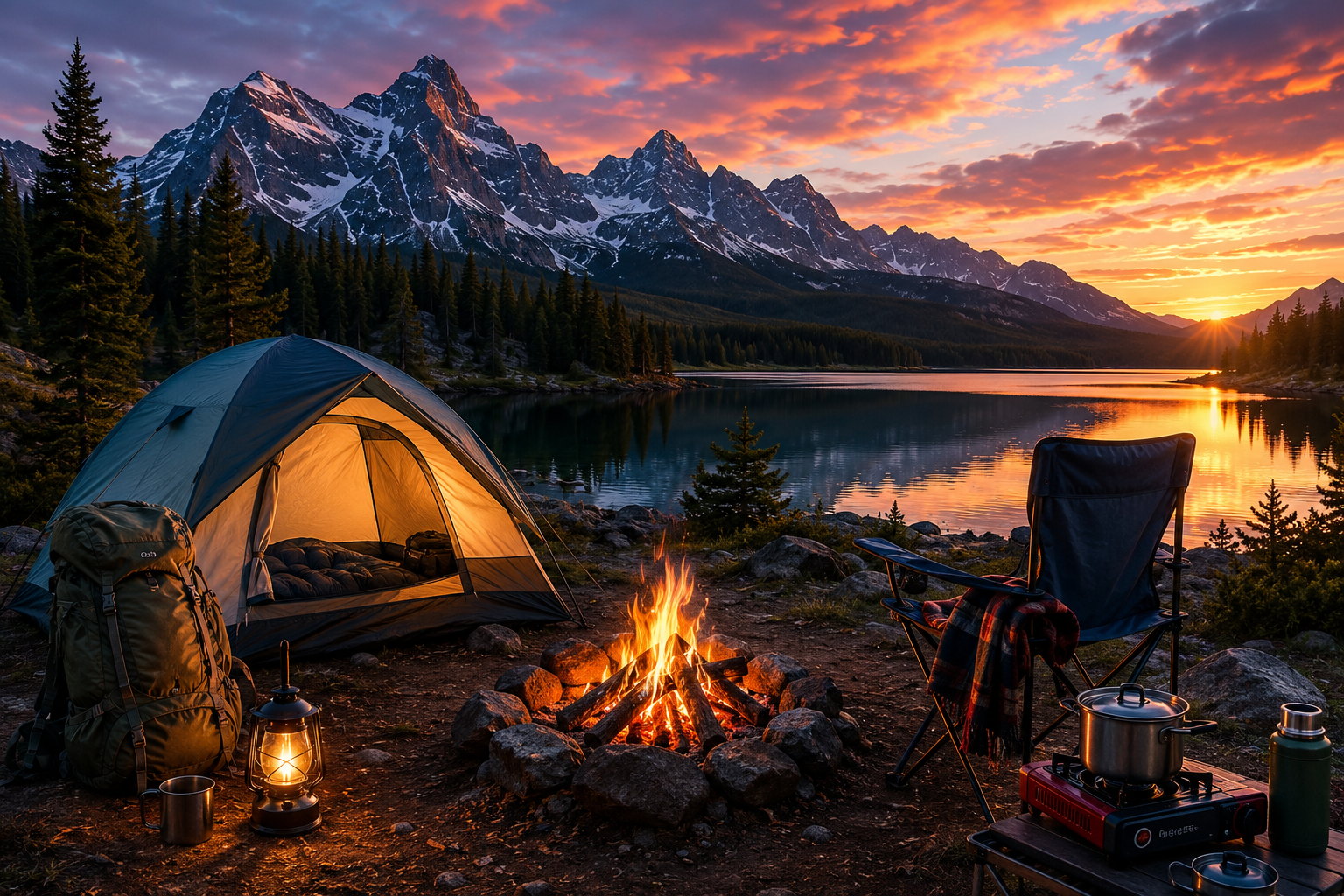
Camping is one of the best ways to disconnect from everyday stress and reconnect with nature. Whether you’re spending a weekend beside a peaceful lake, hiking into the mountains, or enjoying a family getaway at a national park, camping offers experiences that hotels and resorts simply can’t match. It encourages exploration, self-reliance, and quality time with the people who matter most.
In the United States, camping continues to attract millions of outdoor enthusiasts every year. Some travellers seek adventure, while others simply want a quiet escape from busy schedules and constant digital distractions. Thanks to improvements in outdoor equipment and technology, camping is now more accessible than ever, making it enjoyable for beginners as well as experienced campers.
This comprehensive guide covers everything you need to know about camping—from selecting the right campsite and packing essential gear to avoiding common mistakes and planning a safe, memorable outdoor trip.
Why Camping Continues to Grow in Popularity
Camping has evolved far beyond traditional tents and campfires. Today’s campers enjoy modern conveniences while still experiencing the beauty of nature. Many campgrounds now offer amenities such as clean restrooms, showers, electrical hookups, Wi-Fi, and recreational facilities.
Several factors contribute to camping’s growing popularity:
- Affordable vacation option
- Opportunity to disconnect from screens
- Better physical and mental health
- Quality family bonding
- Outdoor adventure and exploration
- Flexible travel options
- Access to America’s incredible parks and forests
Unlike expensive vacations, camping allows travellers to experience breathtaking landscapes at a fraction of the cost.
Benefits of Camping
Mental Health Benefits
Spending time outdoors has been shown to improve mood and reduce stress. Fresh air, natural scenery, and reduced exposure to daily distractions help many campers feel refreshed and more focused after returning home.
Benefits include:
- Reduced stress
- Better sleep quality
- Improved concentration
- Increased mindfulness
- Lower anxiety
- Enhanced emotional well-being
Physical Health Benefits
Camping naturally encourages physical activity.
Popular camping activities include:
- Hiking
- Kayaking
- Canoeing
- Fishing
- Mountain biking
- Swimming
- Rock climbing
- Wildlife photography
Even simple campground activities such as collecting firewood or walking nature trails contribute to a more active lifestyle.
Family Bonding
Camping removes many of the everyday distractions that often keep families apart.
Instead of spending time on phones or watching television, families can:
- Cook meals together
- Tell stories around a campfire
- Play outdoor games
- Explore nearby trails
- Watch sunsets
- Identify stars and constellations
These shared experiences often become lifelong memories.
Different Types of Camping
Camping isn’t a one-size-fits-all activity. Understanding the different styles helps you choose the experience that best matches your comfort level and interests.
Tent Camping
Tent camping remains the classic outdoor experience.
Pros:
- Affordable
- Close connection with nature
- Lightweight equipment
- Suitable for most campgrounds
Best For:
- Beginners
- Families
- Weekend trips
- National parks
Car Camping
Car camping allows you to drive directly to your campsite.
Advantages include:
- Bring more gear
- Easier cooking setup
- Comfortable sleeping arrangements
- Cooler storage
- Great for families
This is often the easiest way for beginners to start camping.
Backpacking
Backpacking combines hiking with overnight camping.
Everything must fit inside your backpack, making lightweight equipment essential.
You’ll typically carry:
- Tent
- Sleeping bag
- Cooking stove
- Food
- Water filter
- Clothing
- First aid supplies
Backpacking offers incredible access to remote wilderness areas.
RV Camping
Recreational vehicles provide many home-like comforts.
Features may include:
- Beds
- Bathrooms
- Kitchens
- Air conditioning
- Heating
- Refrigerators
RV camping is ideal for travellers seeking convenience without sacrificing outdoor experiences.
Glamping
Glamping combines luxury accommodations with natural surroundings.
Popular options include:
- Safari tents
- Luxury cabins
- Treehouses
- Geodesic domes
- Tiny homes
- Yurts
This option appeals to travellers who enjoy nature but prefer modern comforts.
Dispersed Camping
Dispersed camping takes place outside developed campgrounds, typically on public lands where permitted.
Advantages:
- Greater privacy
- No campground crowds
- Free or low-cost camping
- Scenic locations
However, campers must be completely self-sufficient and follow local regulations.
How to Choose the Right Campsite
Choosing the right location can determine whether your camping trip is enjoyable or stressful.
Consider these factors before booking.
Weather Conditions
Always review:
- Temperature
- Rain forecast
- Wind speed
- Fire restrictions
- Seasonal hazards
Weather significantly affects gear requirements and overall safety.
Campground Amenities
Different campgrounds offer varying facilities.
Possible amenities include:
| Amenity | Helpful For |
|---|---|
| Restrooms | Families |
| Showers | Multi-day trips |
| Electrical hookups | RV camping |
| Drinking water | Convenience |
| Picnic tables | Meal preparation |
| Fire rings | Campfires |
| Dump stations | RV travelers |
| Wi-Fi | Remote workers |
Distance from Home
For your first camping trip, choose a campground within two to three hours of home.
Benefits include:
- Easier travel
- Less fatigue
- Emergency access
- Reduced fuel costs
Pet Policies
Many campers travel with dogs.
Before booking, verify:
- Pet restrictions
- Leash requirements
- Breed limitations
- Trail access
- Additional fees
Campground Rules
Review regulations regarding:
- Quiet hours
- Firewood
- Generator use
- Wildlife safety
- Alcohol policies
- Fishing permits
Following campground rules ensures a safer and more enjoyable experience for everyone.
Essential Camping Gear for Every Camper
Packing the right equipment makes camping significantly more comfortable.
Shelter
Your shelter protects you from weather, insects, and temperature changes.
Basic shelter items include:
- Tent
- Tent footprint
- Stakes
- Guy lines
- Mallet
- Rainfly
Choose a tent rated for one more person than your group size for added comfort.
Sleeping Equipment
Quality sleep improves your overall camping experience.
Recommended items:
- Sleeping bag
- Sleeping pad
- Air mattress
- Camping pillow
- Extra blanket
Sleeping bags are typically rated for specific temperature ranges.
Camping Furniture
Comfortable seating makes evenings much more enjoyable.
Useful items include:
- Folding chairs
- Portable table
- Hammock
- Camp stool
- Lantern stand
Lighting
Reliable lighting is essential after sunset.
Options include:
- LED lantern
- Flashlight
- Headlamp
- Rechargeable camping lights
- Solar lantern
Always bring spare batteries or portable charging solutions.
Cooking Equipment
Simple meals become much easier with proper cooking gear.
Basic camp kitchen:
- Portable stove
- Fuel canisters
- Pots
- Frying pan
- Cooking utensils
- Plates
- Bowls
- Cups
- Cooler
- Ice packs
Water Storage
Hydration should never be overlooked.
Bring:
- Water containers
- Refillable bottles
- Water filter
- Purification tablets
- Hydration reservoir
Many experienced campers also carry backup purification methods.
Clothing for Camping
Layering is the key to staying comfortable outdoors.
Base Layer
Designed to manage moisture.
Choose:
- Moisture-wicking shirts
- Synthetic fabrics
- Merino wool
Avoid cotton whenever possible.
Mid Layer
Provides insulation.
Examples:
- Fleece jacket
- Lightweight puffer
- Wool sweater
Outer Layer
Protects against weather.
Recommended:
- Waterproof jacket
- Rain pants
- Windbreaker
Footwear
Quality footwear prevents discomfort during hikes.
Options include:
- Hiking boots
- Trail runners
- Camp sandals
- Waterproof shoes
- Wool socks
Never wear brand-new hiking boots on your first camping trip.
Food Planning for Camping
Planning meals ahead of time saves time and reduces waste.
Simple breakfast ideas:
- Oatmeal
- Eggs
- Pancakes
- Breakfast burritos
- Yogurt
- Granola
Lunch options:
- Sandwiches
- Wraps
- Pasta salad
- Fresh fruit
- Trail mix
Dinner favourites:
- Chili
- Grilled chicken
- Burgers
- Foil packet meals
- Tacos
- Soup
Snacks:
- Beef jerky
- Mixed nuts
- Energy bars
- Popcorn
- Crackers
- Cheese
Campfire Basics
A campfire provides warmth, cooking capabilities, and a place for gathering.
Before starting a fire:
- Confirm fires are permitted.
- Use designated fire rings.
- Keep water nearby.
- Never leave the fire unattended.
- Fully extinguish before sleeping or leaving.
Always follow local fire regulations, especially during dry seasons.
Common Beginner Camping Mistakes
Learning from common mistakes can save time, money, and frustration.
Packing Too Much
Many first-time campers overpack unnecessary gear.
Focus on essentials first.
Forgetting Weather Changes
Mountain weather can change rapidly.
Pack for:
- Rain
- Wind
- Cold nights
- Warm afternoons
Poor Tent Placement
Avoid setting up:
- In low areas
- Under dead branches
- Near flood zones
- On uneven ground
Choose flat, well-drained terrain whenever possible.
Ignoring Food Storage
Improper food storage can attract wildlife.
Store food:
- Inside bear-resistant containers where required
- In sealed coolers
- Away from sleeping areas
Never leave food outside overnight.
Not Testing Equipment
Practice setting up your tent and using your camping stove at home before your trip.
This prevents unnecessary frustration at the campsite.
Overplanning Activities
Leave time to relax.
Some of the best camping moments come from:
- Watching wildlife
- Enjoying sunrise
- Listening to birds
- Reading beside the campfire
- Stargazing
Quick Camping Essentials Checklist
| Category | Essentials |
|---|---|
| Shelter | Tent, stakes, rainfly, footprint |
| Sleeping | Sleeping bag, pad, pillow |
| Cooking | Stove, fuel, cookware, utensils |
| Food | Meals, snacks, water |
| Clothing | Layers, rain gear, hiking boots |
| Safety | First aid kit, flashlight, batteries |
| Navigation | Maps, a compass, and a GPS |
| Comfort | Chairs, hammock, blanket |
| Hygiene | Soap, towel, toilet paper |
| Miscellaneous | Multi-tool, trash bags, power bank |
Practical Camping Gadgets That Actually Make a Difference
Camping gear has come a long way in recent years. Modern equipment is lighter, more durable, and designed to solve common outdoor challenges without adding unnecessary weight. While you don’t need dozens of gadgets to enjoy camping, a few well-chosen tools can make your trip safer, more comfortable, and more efficient.
The key is choosing equipment that serves a practical purpose instead of buying every new product on the market.
Must-Have Camping Gadgets
Rechargeable LED Lantern
A dependable lantern is one of the first items every camper should pack. Unlike traditional fuel lanterns, modern LED models provide bright illumination while consuming very little power.
Benefits include:
- Adjustable brightness settings
- Long battery life
- USB charging
- Lightweight design
- Safe operation without open flames
Many campers place one lantern inside the tent and another near the cooking area.
Headlamp
A headlamp keeps both hands free while walking, cooking, or setting up camp after sunset.
Ideal for:
- Night hiking
- Reading inside the tent
- Preparing dinner
- Emergency repairs
- Finding gear in the dark
Choose a waterproof model with multiple brightness modes.
Portable Power Station
Today’s campers often carry phones, cameras, GPS units, drones, or laptops. A portable power station provides reliable electricity without the noise of a gas generator.
It can power:
- Smartphones
- Tablets
- CPAP machines
- Mini refrigerators
- LED lights
- Small fans
- Camera batteries
For longer trips, pairing a power station with a portable solar panel can extend battery life.
Solar Charger
Solar chargers are excellent for multi-day camping trips where access to electricity is limited.
Advantages include:
- Renewable energy
- Lightweight
- Weather-resistant
- Silent operation
- Easy to carry during hikes
While solar charging is slower than wall charging, it’s a dependable backup option.
Multi-Tool
Instead of carrying multiple hand tools, a quality multi-tool combines several functions into one compact device.
Common features include:
- Knife
- Pliers
- Screwdrivers
- Bottle opener
- Wire cutter
- Scissors
- File
A multi-tool is useful for everything from food preparation to gear repairs.
Portable Water Filter
Clean drinking water is essential, especially during backpacking or dispersed camping.
Water filters remove many contaminants from streams and lakes, reducing the need to carry large amounts of water.
Popular filter styles include the following:
- Straw filters
- Gravity systems
- Pump filters
- Squeeze filters
Always follow manufacturer instructions and local guidance about water safety.
Fire Starter Kit
Even experienced campers shouldn’t rely on a single lighter.
A fire-starter kit may include the following:
- Waterproof matches
- Windproof lighter
- Ferro rod
- Fire starter cubes
- Cotton tinder
- Waterproof storage case
Having multiple ignition methods increases reliability in wet or windy conditions.
Portable Camp Fan
Warm summer nights can make sleeping difficult.
Battery-powered camping fans improve airflow inside tents and may include:
- LED lights
- USB charging
- Hanging hooks
- Adjustable speeds
- Long battery life
Some models also function as emergency lights during power outages.
Building the Perfect Camp Kitchen
One of the highlights of camping is preparing meals outdoors. A well-organised camp kitchen saves time and keeps food preparation enjoyable.
Camp Stove
Portable camp stoves are easy to use and allow for more consistent cooking than an open fire.
Benefits:
- Faster cooking
- Better temperature control
- Works during fire bans (where permitted)
- Cleaner than cooking over wood
Two-burner stoves are popular for families, while compact single-burner models work well for solo campers.
Cooler Selection
Keeping food fresh is critical, especially during summer.
Consider these factors:
| Feature | Why It Matters |
|---|---|
| Thick insulation | Keeps ice longer |
| Drain plug | Easy cleaning |
| Secure latches | Wildlife protection |
| Large handles | Easier transport |
| Capacity | Matches trip length |
To maximise ice retention:
- Pre-chill the cooler
- Freeze water bottles
- Limit how often it’s opened
- Keep it in the shade
Cookware Essentials
A simple cooking kit usually includes:
- Frying pan
- Saucepan
- Pot with lid
- Cooking spoon
- Tongs
- Sharp knife
- Cutting board
- Measuring cup
- Can opener
Choose lightweight materials such as aluminium or stainless steel.
Food Storage
Proper food storage prevents spoilage and discourages wildlife.
Store food in:
- Airtight containers
- Waterproof bins
- Bear-resistant containers where required
- High-quality coolers
Separate raw meat from ready-to-eat foods to reduce contamination risks.
Comfortable Sleeping Systems
A good night’s sleep makes every camping trip more enjoyable.
Sleeping Pads
Sleeping pads provide insulation from the cold ground while adding cushioning.
Options include:
- Foam pads
- Self-inflating pads
- Air pads
For cold-weather camping, choose pads with higher insulation ratings.
Air Mattresses
Air mattresses offer extra comfort during car camping.
Advantages:
- Thick cushioning
- Suitable for couples
- Easy inflation with electric pumps
- Available in various sizes
Remember to bring a repair patch kit.
Camping Pillows
A compact camping pillow packs smaller than a household pillow while providing better neck support than rolled-up clothing.
Many inflatable models weigh only a few ounces.
Blankets
Even if you have a sleeping bag, an extra blanket adds warmth during chilly evenings.
Popular materials include the following:
- Wool
- Fleece
- Down
- Synthetic insulation
Staying Safe While Camping
Safety should always be a priority, regardless of experience level.
First Aid Kit
Every campsite should have a fully stocked first aid kit.
Recommended contents:
- Adhesive bandages
- Gauze
- Medical tape
- Antiseptic wipes
- Tweezers
- Pain relievers
- Allergy medication
- Blister treatment
- Elastic bandage
- Disposable gloves
Customise the kit based on your group’s needs and planned activities.
Emergency Shelter
Unexpected weather or emergencies can happen.
Pack at least one emergency shelter option, such as:
- Emergency bivy
- Survival blanket
- Lightweight tarp
These items take up little space but can provide critical protection.
Weather Radio
Battery-powered or hand-crank weather radios provide updates even when cell service is unavailable.
Some models also include:
- Flashlight
- USB charging
- Emergency siren
- NOAA weather alerts
Navigation Equipment
Technology is helpful, but traditional navigation tools remain valuable.
Carry:
- Paper map
- Compass
- GPS device
- Offline maps on your phone
Never rely solely on mobile service.
Family Camping Tips
Camping with family creates unforgettable memories, but preparation is essential.
Keep Kids Involved
Children enjoy camping more when they have responsibilities.
Age-appropriate tasks include:
- Collecting sticks
- Organizing gear
- Helping cook meals
- Setting up chairs
- Identifying birds
- Filling water bottles
Participation builds confidence and makes the experience more enjoyable.
Plan Fun Activities
Keep everyone entertained with activities such as:
- Nature scavenger hunts
- Fishing
- Board games
- Stargazing
- Campfire stories
- Photography
- Hiking
- Bird watching
Balance planned activities with free time to explore.
Pack Familiar Snacks
Children may be less adventurous with food while camping.
Bring a mix of nutritious options and familiar favourites to keep energy levels up throughout the day.
Solo Camping Tips
Camping alone can be peaceful and rewarding, but it requires additional planning.
Tell Someone Your Plans
Before leaving, share:
- Campground location
- Planned routes
- Expected return date
- Emergency contacts
Check in when possible.
Arrive Before Dark
Setting up camp is much easier in daylight.
Early arrival also gives you time to:
- Explore the area
- Gather firewood
- Locate water sources
- Identify emergency exits
Stay organised.
Keep important items in consistent locations.
For example:
- Flashlight near your sleeping bag
- Shoes inside the tent
- Keys in the same pocket
- First aid kit easily accessible
Organisation reduces stress, especially after dark.
Camping with Children
Introducing children to camping can inspire a lifelong appreciation for the outdoors.
Choose Beginner-Friendly Campgrounds
Look for campgrounds with:
- Clean bathrooms
- Short hiking trails
- Playground areas
- Ranger programs
- Safe swimming locations
These features make the experience more enjoyable for young campers.
Maintain Routines
Try to keep familiar routines such as the following:
- Bedtime
- Morning breakfast
- Reading before sleep
Consistency helps children adjust to sleeping outdoors.
Dress in Layers
Children can become cold or overheated quickly.
Pack extra:
- Socks
- Hats
- Jackets
- Gloves
- Rain gear
Dry clothing is especially important after water activities.
Camping with Pets
Many dogs love camping, but preparation is essential.
Bring Pet Essentials
Pack:
- Food
- Water
- Leash
- Waste bags
- Bed
- Toys
- Medications
- Identification tags
A familiar blanket can help pets feel comfortable in a new environment.
Respect wildlife.
Keep pets under control to avoid disturbing wildlife or other campers.
Never allow dogs to chase animals or roam freely where prohibited.
Check the Environment
Watch for hazards such as the following:
- Hot surfaces
- Sharp rocks
- Ticks
- Poisonous plants
- Fast-moving rivers
Inspect your pet regularly during and after outdoor activities.
Useful Camping Accessories Worth Considering
While not essential, these accessories can improve convenience on longer trips.
- Folding camp table
- Hanging organizer
- Portable shower
- Clothesline
- Dry bags
- Waterproof storage bins
- Gear repair tape
- Compact shovel
- Campbrone
- Reusable dishwashing station
Choose accessories based on your camping style rather than buying everything at once.
Smart Ways to Stay Organized at Camp
An organised campsite is safer and easier to enjoy.
Consider these simple habits:
- Assign a place for every item.
- Keep cooking gear together.
- Store trash securely.
- Separate clean and dirty clothing.
- Recharge electronics during the day.
- Refill water containers before they run low.
- Clean cookware immediately after meals.
Small organisational habits can save time and reduce frustration throughout your trip.
Quick Reference: Recommended Gear by Camping Style
| Camping Style | Recommended Equipment |
|---|---|
| Car Camping | Large tent, cooler, camp chairs, air mattress |
| Backpacking | Lightweight tent, compact stove, water filter, trekking poles |
| RV Camping | Power cords, leveling blocks, sewer hose, outdoor mat |
| Family Camping | Large shelter, games, portable table, cooking station |
| Solo Camping | Compact tent, headlamp, GPS, first aid kit |
| Glamping | Comfortable bedding, decorative lighting, premium cookware |
Seasonal Camping Guide
Every season offers a different camping experience. Understanding seasonal conditions helps you pack appropriately, stay comfortable, and enjoy the outdoors safely.
Spring Camping
Spring is one of the most rewarding times to camp. Wildflowers bloom, waterfalls are often at their fullest, and many campgrounds are less crowded than during peak summer months.
Advantages
- Comfortable daytime temperatures
- Beautiful landscapes
- Active wildlife
- Fewer crowds
- Lower campground fees in some locations
Challenges
- Frequent rain
- Muddy trails
- Cool nights
- Unpredictable weather
Spring Camping Checklist
- Waterproof jacket
- Waterproof boots
- Extra socks
- Rainfly for your tent
- Ground tarp
- Warm sleeping bag
Summer Camping
Summer remains the busiest camping season across the United States.
Families often schedule camping trips during school vacations, making campgrounds more active and social.
Advantages
- Long daylight hours
- Warm weather
- Swimming opportunities
- Ideal for hiking and kayaking
- Family-friendly atmosphere
Challenges
- Heat
- Mosquitoes
- Busy campgrounds
- Increased wildfire restrictions
Summer Camping Tips
- Drink water regularly.
- Camp in shaded areas when possible.
- Apply sunscreen throughout the day.
- Wear breathable clothing.
- Store food carefully in hot temperatures.
Fall Camping
Many experienced campers consider fall the best camping season.
Cooler temperatures and colourful foliage create spectacular outdoor experiences.
Benefits
- Crisp weather
- Beautiful autumn scenery
- Fewer insects
- Less crowded campgrounds
- Comfortable hiking conditions
What to Pack
- Warm jacket
- Gloves
- Beanie
- Layered clothing
- Extra blankets
Winter Camping
Winter camping offers peaceful landscapes and unique adventures, but it also requires advanced preparation.
Advantages
- Quiet campgrounds
- Snow-covered scenery
- Incredible photography opportunities
- Fewer visitors
Extra Gear Needed
- Four-season tent
- Cold-weather sleeping bag
- Insulated sleeping pad
- Hand warmers
- Snow shovel
- Waterproof gloves
Winter camping is generally recommended for campers with prior outdoor experience.
Leave No Trace Principles
Protecting natural spaces ensures future generations can enjoy the outdoors.
The widely accepted Leave No Trace principles encourage responsible recreation.
1. Plan Ahead
Know:
- Campground rules
- Weather forecast
- Trail conditions
- Fire restrictions
- Wildlife information
Preparation helps reduce environmental impact.
2. Camp on Durable Surfaces
Whenever possible, camp on:
- Established campsites
- Gravel
- Dry grass
- Packed dirt
- Rock surfaces
Avoid damaging fragile vegetation.
3. Dispose of Waste Properly
Remember the simple rule:
Pack it in. Pack it out.
Dispose of:
- Trash
- Food scraps
- Fishing line
- Hygiene products
Leave your campsite cleaner than you found it.
4. Respect Wildlife
Wild animals should never be fed.
Maintain a safe distance and observe wildlife quietly.
Store food securely to avoid attracting animals.
5. Minimize Campfire Impact
Whenever possible:
- Use established fire rings.
- Keep fires small.
- Burn only approved firewood.
- Fully extinguish fires before leaving.
In areas with fire restrictions, use a portable camp stove instead.
6. Respect Other Campers
Everyone visits nature for different reasons.
Practise good campground etiquette:
- Observe quiet hours.
- Keep pets under control.
- Avoid excessive noise.
- Respect campsite boundaries.
Budget Camping Tips
Camping can be one of the most affordable vacations if you plan carefully.
Borrow Gear First
Instead of buying everything immediately:
- Borrow tents
- Share cooking equipment
- Rent camping gear
- Purchase used equipment
This helps beginners discover what they actually need.
Camp Close to Home
Nearby campgrounds reduce:
- Fuel expenses
- Travel time
- Vehicle wear
- Food costs during travel
Weekend camping trips can be just as rewarding as long-distance adventures.
Cook Your Own Meals
Preparing meals at camp is significantly cheaper than dining at restaurants.
Simple meal ideas include:
- Chili
- Pasta
- Rice bowls
- Burgers
- Pancakes
- Sandwiches
Meal planning also reduces food waste.
Buy Multi-Purpose Gear
Choose equipment that performs multiple functions.
Examples:
- Lantern with power bank
- Multi-tool
- Convertible blanket
- Pot with integrated bowl
- Sleeping bag suitable for multiple seasons
Versatile gear reduces both cost and packing weight.
Complete Camping Checklist
Use this checklist before every camping trip.
| Category | Items |
|---|---|
| Shelter | Tent, stakes, rainfly, footprint, repair kit |
| Sleeping | Sleeping bag, sleeping pad, pillow, blanket |
| Cooking | Stove, fuel, cookware, utensils, lighter |
| Food | Meals, snacks, spices, drinks, cooler |
| Water | Water bottles, containers, filters, purification tablets |
| Clothing | Shirts, pants, jackets, socks, rain gear |
| Footwear | Hiking boots, sandals, camp shoes |
| Hygiene | Toothbrush, soap, towel, toilet paper, sanitizer |
| Safety | First aid kit, whistle, flashlight, batteries |
| Navigation | Compass, paper map, GPS, downloaded offline maps |
| Electronics | Phone, power bank, charging cables, solar charger |
| Comfort | Camp chairs, table, hammock, games, books |
| Miscellaneous | Trash bags, duct tape, rope, notebook, camera |
Camping Safety Reminders
Before leaving home:
- Check weather forecasts.
- Inform someone of your travel plans.
- Charge electronic devices.
- Download offline maps.
- Inspect camping equipment.
At camp:
- Store food properly.
- Stay hydrated.
- Keep your campsite clean.
- Follow campground rules.
- Watch children near water and campfires.
Before leaving:
- Extinguish all fires.
- Remove trash.
- Check for forgotten items.
- Leave the campsite in excellent condition.
Camping Tips from Experienced Outdoor Enthusiasts
Many seasoned campers follow simple habits that make every trip smoother.
Arrive Early
Setting up camp during daylight is much easier than after dark.
Practice at Home
Set up your tent in your backyard before your first trip.
You’ll become familiar with:
- Tent poles
- Stakes
- Rainfly
- Guy lines
Pack in Storage Bins
Plastic storage bins make organising equipment much easier than loose bags.
Label bins such as:
- Cooking
- Shelter
- Sleeping
- Clothing
- Emergency supplies
Keep an Emergency Kit in Your Vehicle
Include:
- Jumper cables
- Tire inflator
- Flashlight
- Blanket
- Water
- Basic tools
Vehicle emergencies can happen anywhere.
Expect the Unexpected
Weather changes quickly.
Wildlife appears unexpectedly.
Equipment occasionally fails.
Flexibility is one of the most valuable camping skills you can develop.
Frequently Asked Questions
Is camping suitable for beginners?
Yes. Car camping at an established campground is one of the easiest ways for beginners to gain experience. Campgrounds with restrooms, drinking water, and designated campsites offer a comfortable introduction to outdoor living.
What should first-time campers bring?
Focus on the essentials:
- Tent
- Sleeping bag
- Sleeping pad
- Food
- Water
- Flashlight
- First aid kit
- Weather-appropriate clothing
- Camp stove (if needed)
Avoid overpacking unnecessary gadgets.
How much water should I bring?
A common guideline is about one gallon of water per person per day for drinking, cooking, and basic hygiene. Hot weather, strenuous activity, or remote locations may require more.
How do I keep food safe while camping?
Store perishables in a well-insulated cooler with plenty of ice, keep raw and cooked foods separate, and never leave food unattended. In areas with wildlife, use bear-resistant containers or food storage lockers if provided.
Is camping safe?
Camping is generally very safe when you prepare properly, follow campground rules, monitor weather conditions, and carry basic emergency supplies. Awareness and planning go a long way toward preventing problems.
Can I camp with children?
Absolutely. Many campgrounds are designed with families in mind and offer playgrounds, ranger-led activities, easy hiking trails, and other amenities. Choose age-appropriate activities and involve children in simple campsite tasks.
Can I bring my dog camping?
Many campgrounds welcome pets, but policies vary. Always verify pet rules before your trip, keep dogs leashed where required, and clean up after them. Bring enough food, water, and any medications your pet may need.
What is the best season for camping?
There is no single “best” season—it depends on your preferences. Spring offers blooming landscapes, summer provides warm weather and long days, fall brings colourful foliage and cooler temperatures, while winter offers solitude and snowy scenery for experienced campers.
Final Thoughts
Camping is much more than spending a night outdoors. It is an opportunity to slow down, reconnect with nature, build confidence, and create meaningful memories with family and friends. Whether you prefer a simple tent at a local campground, a multi-day backpacking adventure, or a comfortable RV getaway, the right preparation makes every trip more enjoyable.
As you gain experience, you’ll refine your gear, develop your own routines, and discover the camping style that suits you best. Start with the basics, prioritise safety, respect the environment, and embrace the unexpected moments that often become the most memorable parts of any outdoor adventure.
No matter your skill level, camping offers something valuable: fresh air, peaceful surroundings, and the chance to experience the outdoors in a way that few other vacations can match.